Hiring freelancers has become a normal part of how modern businesses get work done. A company may need a designer for a short campaign, a writer for a series of articles, a developer for a website fix, or a virtual assistant to keep daily tasks moving. Instead of hiring a full-time employee for every need, many businesses now build flexible teams around specific projects.
Still, knowing how to hire freelancers well is not just about posting a job and waiting for replies. The best freelance relationships begin with clarity. You need to understand what you want, how you will judge quality, what budget makes sense, and how communication will work once the project begins. When those pieces are missing, even a talented freelancer can struggle to deliver what you imagined.
Understand What You Actually Need
Before looking for a freelancer, slow down and define the work properly. This sounds obvious, but many hiring problems begin because the business is not fully sure what it wants. “I need help with marketing” is too broad. “I need four blog posts per month on small business finance topics, each around 1,200 words, with SEO titles and meta descriptions” is much easier to understand.
The clearer your project is, the easier it becomes to find the right person. Think about the outcome you want, not just the task. Are you trying to save time, improve quality, finish a delayed project, or bring in skills your team does not have? A freelancer who understands the purpose behind the work can make better decisions.
It also helps to separate must-have skills from nice-to-have extras. A web developer may need experience with WordPress, but knowledge of email marketing might simply be a bonus. A graphic designer may need strong branding experience, while animation skills might not matter for this particular job. Clarity keeps your search focused.
Write a Clear Project Brief
A strong project brief is one of the most useful tools in the hiring process. It does not need to be complicated, but it should explain the project in a way that leaves little room for confusion.
Include the scope of work, expected deliverables, deadline, preferred style, target audience, file formats, and any technical requirements. If you have examples of work you like, share them. If there are things you definitely want to avoid, mention those too.
A vague brief often attracts vague proposals. A detailed brief, on the other hand, helps serious freelancers respond with relevant ideas, pricing, and timelines. It also protects both sides later because everyone has a written reference for what was agreed.
This is especially important for creative work. Words like “modern,” “clean,” “professional,” or “engaging” can mean different things to different people. Examples make those words easier to interpret.
Choose the Right Place to Find Talent
Freelancers can be found in many places, and the best option depends on the type of work you need. Freelance marketplaces are useful when you want access to a wide range of skills and reviews. Professional networks can work well when the project requires trust, referrals, or industry-specific experience. Social platforms and portfolio sites are often good for creative fields like design, writing, video editing, and photography.
There is no single perfect platform. Some businesses prefer large marketplaces because they provide payment systems and dispute processes. Others prefer direct hiring because it allows more control and often builds stronger long-term relationships.
What matters most is whether the place you are searching matches the level of skill you need. A quick data-entry task does not require the same hiring approach as a complex software project or a brand identity redesign.
Look Beyond the Cheapest Price
Budget matters, of course. Every business has limits. But choosing the cheapest freelancer can become expensive if the work needs heavy editing, missed deadlines delay the project, or poor execution affects your customers.
Instead of focusing only on price, look at value. A more experienced freelancer may charge more but need less supervision. They may ask sharper questions, prevent mistakes, and deliver work that is usable the first time. For a business, that can be worth far more than a small saving upfront.
At the same time, a higher rate does not automatically guarantee better work. The goal is to compare price with experience, portfolio quality, communication, and understanding of the project. Good hiring is rarely about finding the lowest number. It is about finding the right fit for the job.
Review Portfolios With a Practical Eye
A portfolio shows more than style. It reveals whether a freelancer has handled similar work before, how polished their results are, and whether their approach matches your expectations.
When reviewing samples, look for relevance. If you need website copy for a finance company, a portfolio full of travel blogs may still show writing ability, but it may not prove they understand your subject. If you need a product designer, beautiful social media graphics may not be enough.
Pay attention to consistency too. One strong sample is promising, but several strong samples suggest reliability. You want to know the freelancer can produce quality more than once.
If the portfolio does not show exactly what you need, you can ask for a related sample or a short paid test. A paid test is often fairer and more useful than asking for unpaid custom work.
Ask Questions Before Hiring
The interview does not need to be formal, but a short conversation can reveal a lot. Ask how the freelancer would approach the project, what information they need from you, how they handle revisions, and what their usual timeline looks like.
Good freelancers usually ask questions too. They may want to know about your audience, brand voice, technical setup, goals, or approval process. That curiosity is a positive sign. It shows they are thinking about the work, not just trying to close the deal quickly.
Communication style matters more than many businesses realize. A freelancer may be talented, but if they disappear for days, ignore instructions, or misunderstand basic requirements, the project becomes stressful. Look for someone who is clear, professional, and easy to work with from the beginning.
Start With a Small Project When Possible
If you are hiring a freelancer for ongoing work, begin with a smaller assignment before committing to a large project. This gives you a chance to see how they work in real conditions.
A trial project can reveal whether they meet deadlines, follow instructions, communicate clearly, and respond well to feedback. It also helps the freelancer understand your expectations before the relationship becomes more demanding.
This approach is not about testing people unfairly. It is about reducing risk for both sides. A small first project can build confidence and make future collaboration smoother.
Set Expectations Around Revisions and Deadlines
Many freelance problems happen because expectations are assumed instead of discussed. Before work begins, agree on the deadline, number of revision rounds, response times, payment schedule, and final deliverables.
For example, a design project may include two revision rounds. A writing project may include one round of edits after feedback. A development project may need testing time before final approval. These details should be clear before anyone starts working.
Deadlines should also be realistic. Rushed work can lead to mistakes, especially when the project requires research, creativity, or technical accuracy. If something is urgent, say so early and be prepared for the possibility of a higher rate.
Use Written Agreements
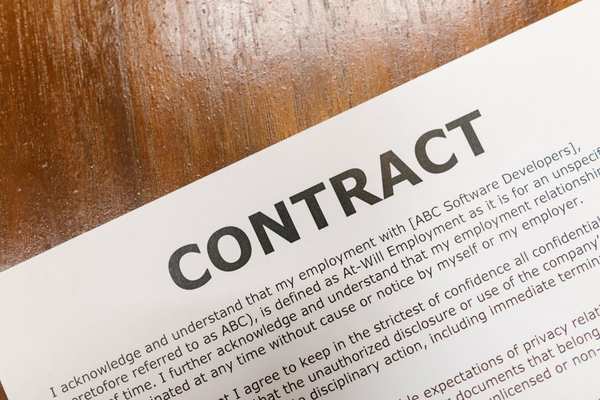
Even for small projects, a written agreement is helpful. It does not always need to be a long legal contract, but it should clearly state what the freelancer will do, what you will pay, when payment will happen, who owns the final work, and how confidential information will be handled.
This protects the business and the freelancer. It also prevents awkward misunderstandings later. If the work involves sensitive data, customer information, software access, or original creative assets, written terms become even more important.
For larger projects, it may be worth using a more formal contract. A little structure at the start can save a lot of trouble later.
Build a Good Working Relationship
Once you hire a freelancer, treat the relationship with the same care you would give any professional collaboration. Share the information they need. Give feedback that is specific and timely. Pay on schedule. Respect their expertise.
Freelancers do their best work when they are treated as partners, not just temporary hands. If something is not right, explain what needs to change clearly. Instead of saying, “This does not work,” say what feels off and what result you want instead.
Over time, strong freelancers can become a valuable part of your business. They learn your style, understand your expectations, and need less direction with each project. That kind of working rhythm is worth building.
Conclusion
Learning how to hire freelancers is really about learning how to define work, judge fit, and communicate clearly. The process becomes much easier when you know what you need, write a thoughtful brief, review experience carefully, and set expectations before the project begins.
Freelancers can bring fresh skill, speed, and flexibility to a business, but the best results come from good preparation. A clear project attracts better candidates. A fair budget encourages better work. A respectful relationship keeps talented people willing to collaborate again.
In the end, hiring freelancers is not just a shortcut for getting tasks done. Done well, it is a practical way to build a flexible, skilled support system around your business, one project at a time.