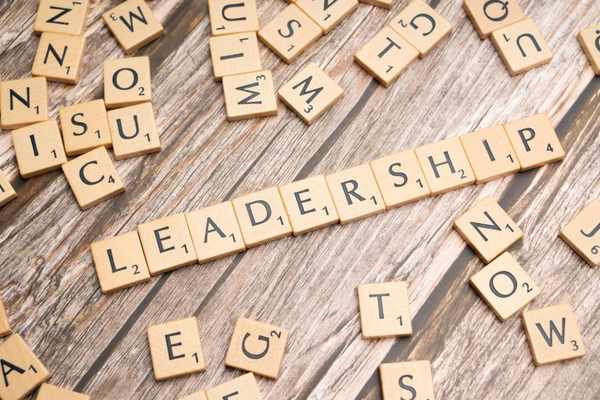
Managing a team is rarely difficult because nobody knows what needs doing. More often, people are working hard but have different priorities, unclear responsibilities or too little opportunity to raise problems. If you are wondering how to manage a team effectively, start by making work easier to understand and discuss. Good management is less about supervising every move and more about helping people deliver.
That takes clear expectations, regular conversations and sound judgement. The approach below works for new managers, experienced team leaders and people managing employees across office, hybrid or remote settings.
Turn broad goals into clear priorities
A team cannot make sensible daily decisions if its only instruction is to “improve performance”. Explain what success looks like, why it matters and which work takes precedence when demands compete. Choose a small number of meaningful outcomes rather than an impressive-looking list of tasks.
For example, a customer support manager might prioritise resolving urgent cases accurately while reducing avoidable repeat enquiries. The team should know how those aims affect day-to-day choices, including when to escalate an issue rather than rush a response.
Agree realistic deadlines and review priorities whenever circumstances change. Clear objectives should reflect actual workloads, not assume that everyone can absorb unlimited extra tasks.
Make responsibilities and decision-making visible
Confusion about ownership creates duplicated work and missed handovers. Clarify who leads each activity, who provides input and who can approve a final decision. This matters especially when responsibilities overlap between departments.
Ask each person to explain their understanding of their role. You may discover gaps that a job description never revealed. Record important decisions somewhere accessible, but avoid turning a simple process into unnecessary paperwork.
An effective manager also knows when to step in: resolve competing priorities, remove barriers and make decisions that sit beyond an employee’s authority.
Build a communication rhythm people can rely on
Team management improves when communication is predictable. A short weekly planning conversation can establish priorities, deadlines and dependencies. Brief updates can then focus on changes and obstacles rather than requiring everyone to repeat their entire task list.
Use one-to-ones for the conversations a group meeting cannot handle
Regular private check-ins allow employees to discuss workload, feedback, development and concerns they might not raise publicly. Ask questions such as “What is slowing you down?” and “Which decision do you need from me?” Then listen before proposing a solution.
Agree which channel is suitable for urgent matters, routine questions and decisions that need recording. In hybrid teams, share key information in writing so nobody depends on overhearing a conversation.
Delegate outcomes rather than instructions
Delegation is not simply distributing unwanted tasks. Choose work that fits an employee’s capabilities while offering reasonable room to develop. Explain the result required, the deadline, any constraints and what authority the person has to make decisions.
Suppose you ask a colleague to organise next month’s customer onboarding process. Instead of dictating every email and meeting, agree that new customers should receive accurate instructions, know their next steps and have a clear contact for questions. Set a review point before launch and let the colleague design the workflow.
This gives you oversight without taking ownership back at every minor choice. For more detailed planning, approaches to setting SMART goals can help turn an ambiguous assignment into an agreed outcome.
Track progress without micromanaging
Choose a few measures that genuinely reveal progress: completed milestones, quality, customer experience or outstanding problems. Numbers require context. A rising workload, for instance, may reflect new demand rather than declining employee performance.
Keep a shared view of work in progress and use reviews to ask where support is needed. Avoid constant status messages that interrupt concentrated work. If an update changes no decision, consider whether it is necessary.
When a deadline slips, investigate the cause before assigning blame. The issue may be an unrealistic estimate, unclear dependency or missing resource. Good people management distinguishes a process problem from an individual performance concern.
Give feedback that helps people improve
Useful feedback is specific, timely and grounded in observable work. Rather than saying someone “needs to communicate better”, explain which handover lacked information, what happened as a result and what a stronger handover would include.
Recognise effective contributions with the same care. Explain what someone did well and why it helped the team. Appreciation feels more credible when it refers to real actions rather than vague praise.
Do not save every difficult conversation for an annual appraisal. Acas guidance supports regular feedback and one-to-ones alongside formal performance reviews. Where improvement is needed, agree practical support, a fair review date and a written summary of important commitments. A guide to giving constructive feedback can provide additional conversation techniques.
Address tension early and take wellbeing seriously
Even cooperative teams disagree about standards, workloads and responsibilities. Speak privately to those involved, hear different perspectives and focus on behaviour and evidence rather than personality. Explain the expected change and follow up to see whether it happened.
Take repeated signs of overload seriously. Ask about capacity, redistribute work where possible and encourage breaks and realistic boundaries. For persistent concerns, use your organisation’s HR procedures and appropriate support channels. Fair treatment, confidentiality and consistency matter more than trying to solve everything alone.
Managers also need limits. If you continually rescue every project after hours, the team never sees where its systems need improving.
Develop capability, not dependence
A strong team should become more confident over time. Invite employees to suggest improvements, pair less experienced colleagues with suitable mentors and offer stretch assignments with support. Discuss career interests during one-to-ones instead of waiting for vacancies to appear.
Periodically ask the team which meetings, approvals or handovers waste time. Remove one friction point and review the effect. The best management changes are often small enough to maintain.
Frequently asked questions
What is the first step in managing a team?
Agree the team’s main outcomes and immediate priorities. Then confirm that each person understands their responsibilities, deadlines and how to raise a problem. Clarity gives subsequent conversations and decisions a useful starting point.
How do you manage a team without micromanaging?
Set clear expectations, define decision-making authority and schedule proportionate review points. Measure progress against agreed outcomes rather than monitoring every action. Offer help when barriers arise, while allowing employees to choose appropriate methods.
How often should a manager meet their team?
There is no universal frequency. Many teams benefit from a short weekly priorities meeting plus regular individual check-ins. Adjust the rhythm to the work, employees’ needs and urgency, and remove meetings that do not help decisions or collaboration.
What makes someone an effective manager?
An effective manager combines clarity, fairness, listening and follow-through. They delegate responsibly, give useful feedback, address problems promptly and help others develop. Consistent behaviour builds more trust than occasional motivational speeches.
Conclusion
Learning how to manage a team is an ongoing practice, not a checklist completed once. Start with clear priorities and ownership, establish useful communication habits, then delegate with trust and review results fairly. When people understand what matters, feel able to speak up and receive the support they need, team management becomes less about chasing tasks and more about making steady progress together.